Project Overview
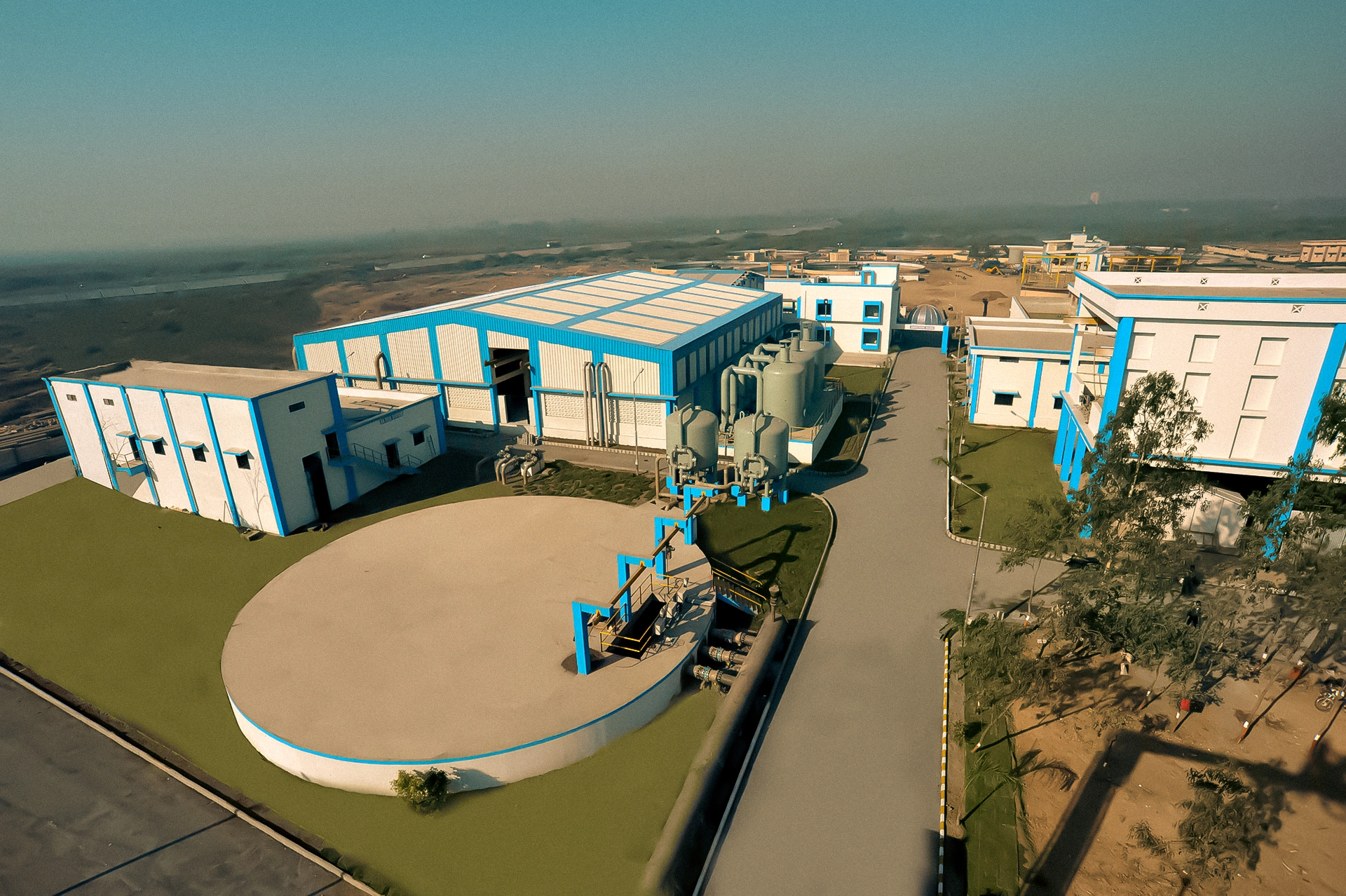
The 40 MLD Tertiary Sewage Treatment Plant at Bamroli, Surat represents a pioneering milestone for India the country’s first and largest municipal sewage reuse facility at the time of commissioning.
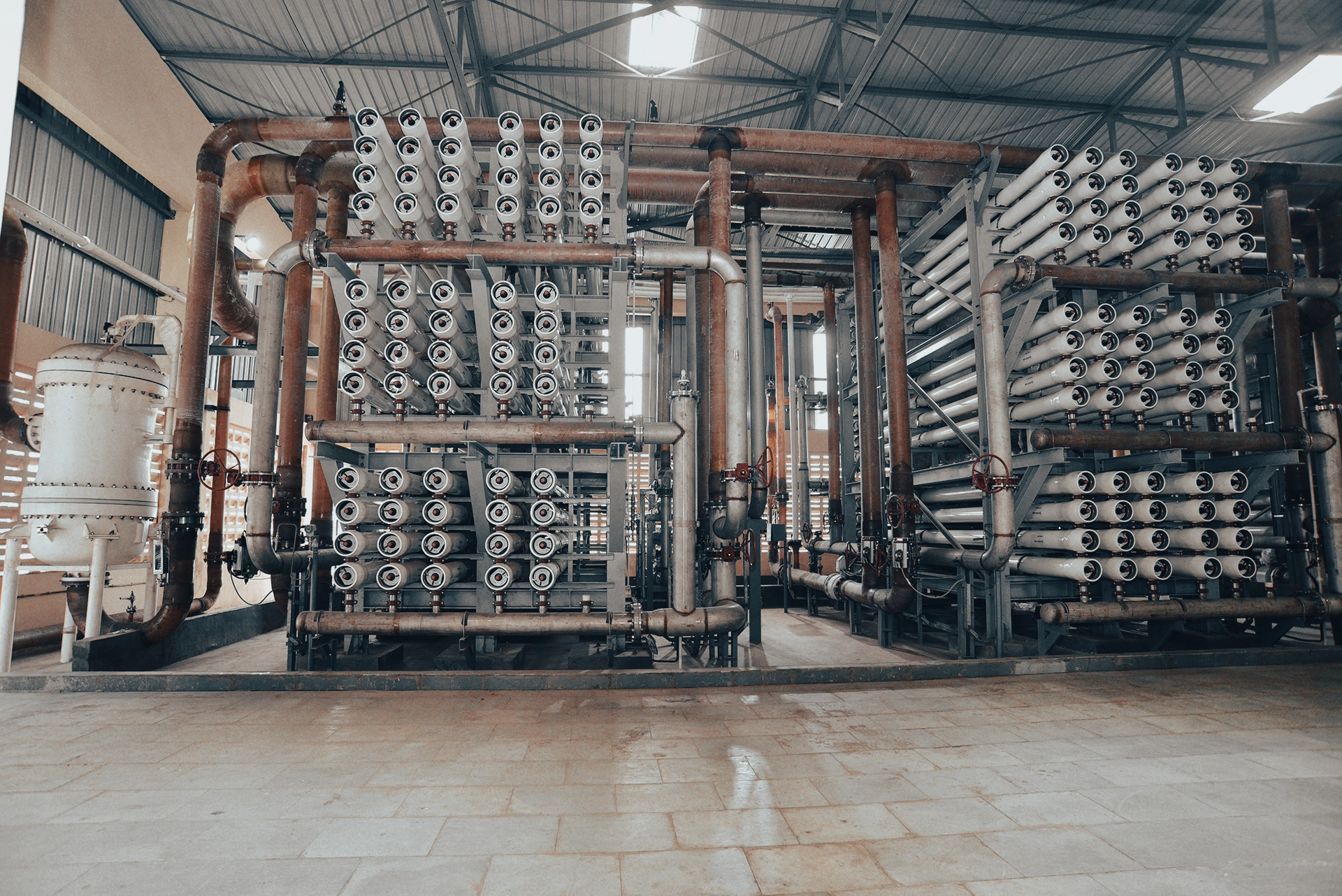
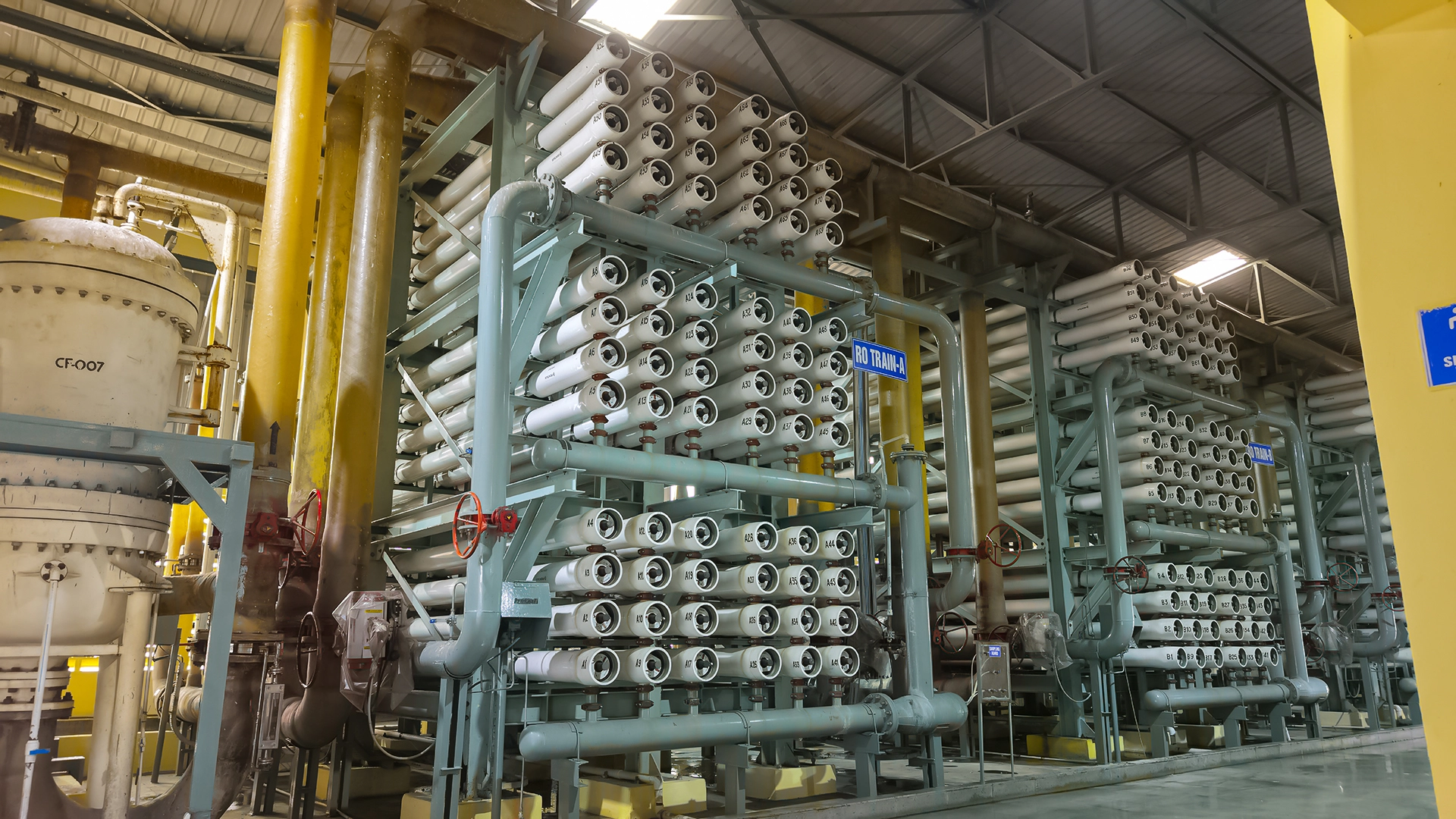
Delivered under an EPC + O&M contract for the Surat Municipal Corporation, the plant uses ultrafiltration (UF), reverse osmosis (RO), and activated carbon filtration to produce high-quality industrial-grade water.
With stringent treated water parameters (BOD/TSS < 5 mg/L, TDS < 500 mg/L), the facility reliably supplies recycled water to industries at the Pandesara Industrial Estate, creating a sustainable revenue stream for the municipality while reducing pressure on conventional freshwater resources.
Project Objectives
- Ensure a reliable water supply for Pandesara Industrial Estate.
- Generate assured revenue for the Municipal Corporation from water reuse.
- Reduce dependence on conventional freshwater sources.
The Challenge
- Challenging feed water quality with contamination from nearby industrial sources.
- Requirement to operate continuously, delivering a steady 40 MLD output under variable input conditions.
The Solution
Enviro applied its deep R&D expertise and operational experience to ensure reliable performance:
- Continuous 24×7 operations maintained through disciplined process monitoring.
- Proactive membrane maintenance to protect UF/RO systems against fouling.
- Process optimization strategies that ensured stable water quality and output despite feed variability.
This approach demonstrated operational excellence, positioning the plant as a benchmark for future municipal sewage reuse initiatives.
The Results
- 40 MLD of high-grade industrial water delivered daily to Pandesara industries.
- Revenue model for Surat Municipal Corporation, making water reuse financially viable.
- Significant reduction in freshwater dependency for the city’s industrial cluster.
- India’s first benchmark sewage reuse project, setting the stage for national replication.
Why It Matters
The Bamroli plant proved that municipal sewage reuse can be both sustainable and profitable. By converting wastewater into a resource, it showcased a model for cities across India to conserve water, support industry, and generate revenue.