Project Overview
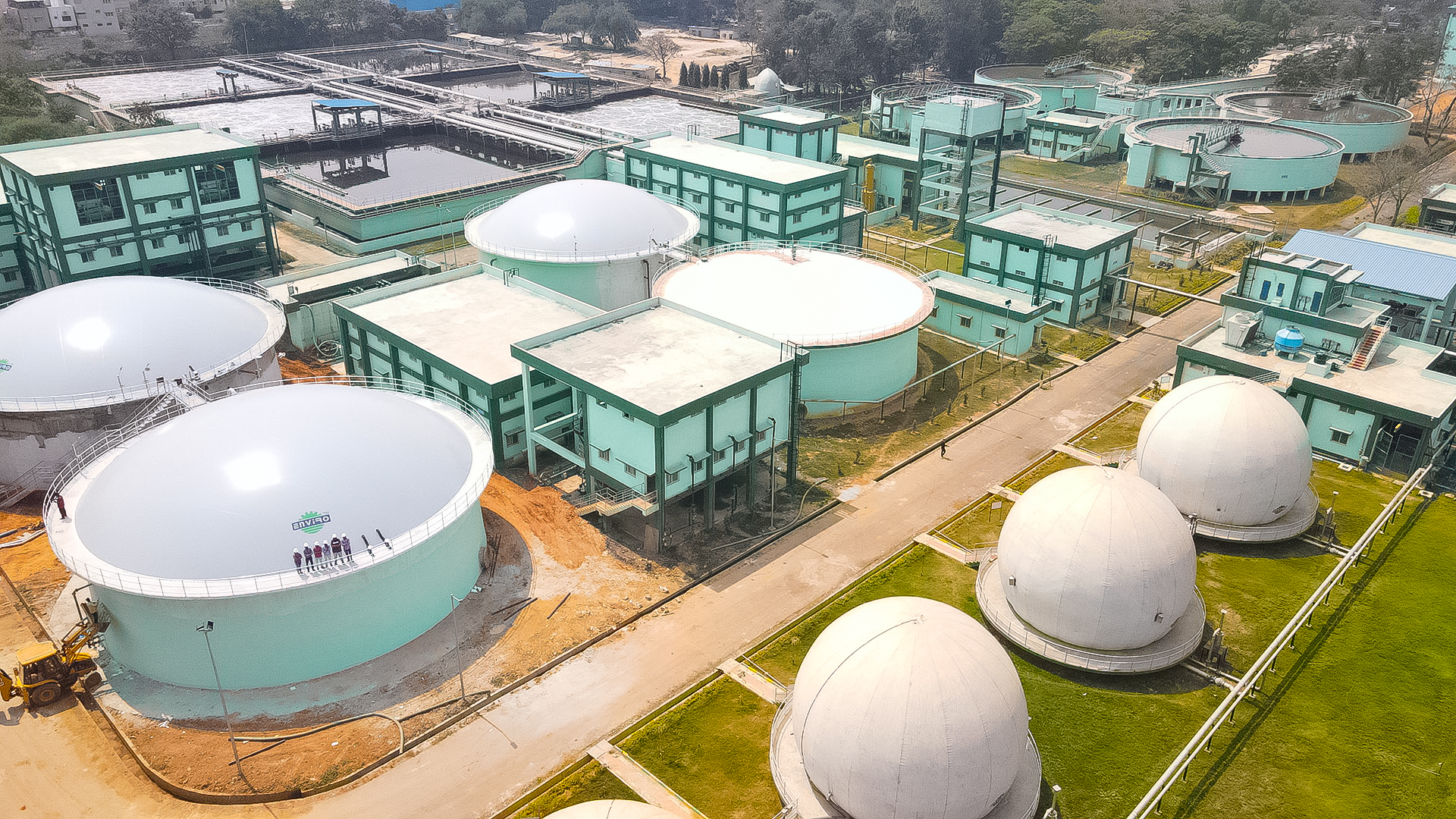
The Hebbal Sewage Treatment Plant (STP) in Bengaluru is a landmark in sustainable wastewater management, combining large-scale sewage treatment with energy recovery and water reuse.
Delivered under an EPC + O&M contract for the Bengaluru Water Supply and Sewerage Board (BWSSB), the project integrates:
- A 100 MLD STP based on Sequencing Batch Reactor (SBR) technology with advanced BNR.
- A 160 MLD sludge handling facility with advanced anaerobic digesters.
- A 1.0 MWe biogas power generation system, making the plant nearly energy self-sufficient.
- Fine filtration systems enabling reuse of secondary treated water for irrigation.
The facility is fully automated with SCADA process control, ensuring operational efficiency, compliance, and reliability.
The Challenge
- Managing sewage at scale for a growing urban population.
- Rising power costs and the environmental impact of conventional energy use.
- Ensuring compliance with Pollution Control Board norms.
- Meeting sustainability goals for reuse of treated water.
The Solution
Enviro designed and delivered a comprehensive circular water system:
- Sewage Treatment using SBR with advanced biological nutrient removal.
- Sludge-to-Energy through anaerobic digestion, generating 1.0 MWe of renewable power.
- Water Reuse – fine filtration enabled safe irrigation reuse of treated effluent.
- Automation & SCADA integration for real-time monitoring and optimised energy use.
The Results
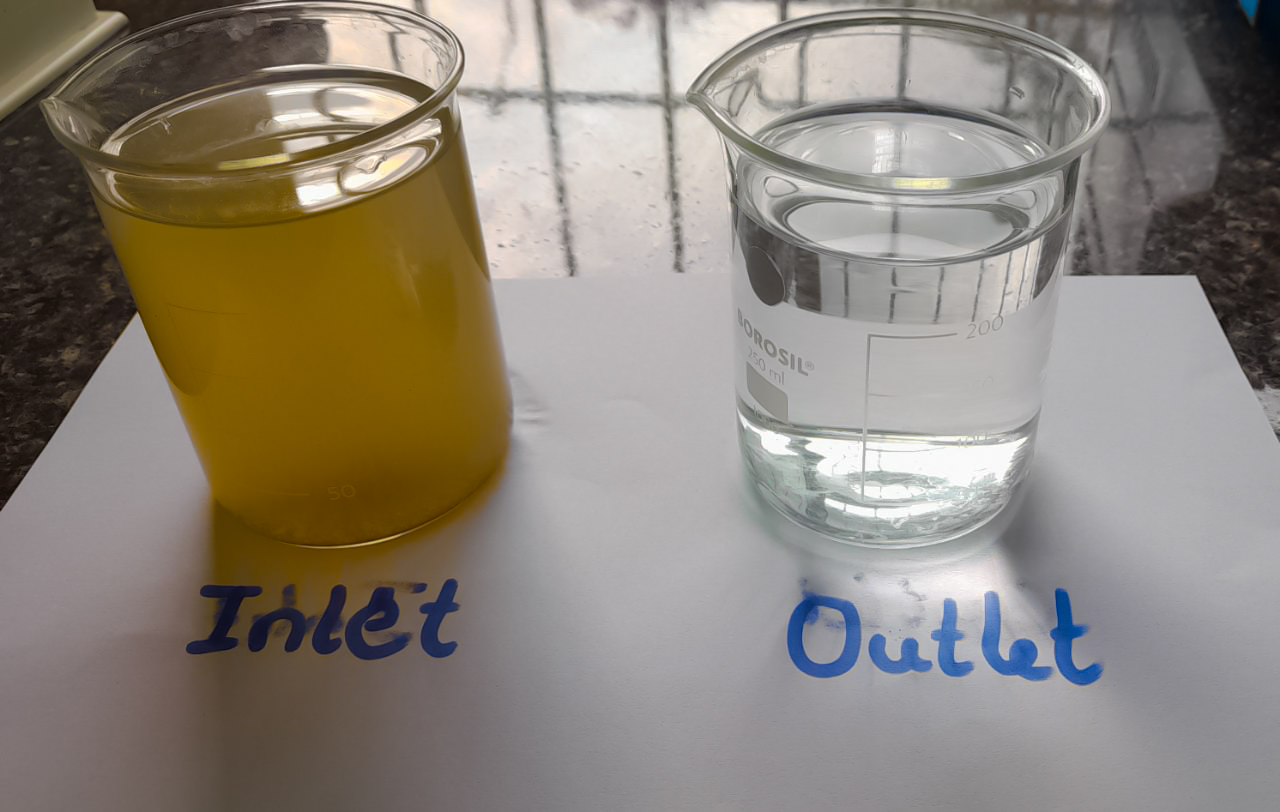
- 100 MLD sewage treated daily, protecting Bengaluru’s environment and waterways.
- 1.0 MWe renewable energy generated, reducing reliance on external grid supply.
- Operational cost savings from biogas-to-energy integration.
- Treated water reused for irrigation, conserving freshwater for citizens.
- A model of decarbonised water treatment, aligning with circular economy goals.
Why It Matters
The Hebbal STP demonstrates how wastewater treatment can become a resource hub producing clean water, renewable energy, and environmental benefits. As India’s first large-scale STP of its kind, it sets the stage for future-ready, self-sustaining urban utilities.