Project Overview
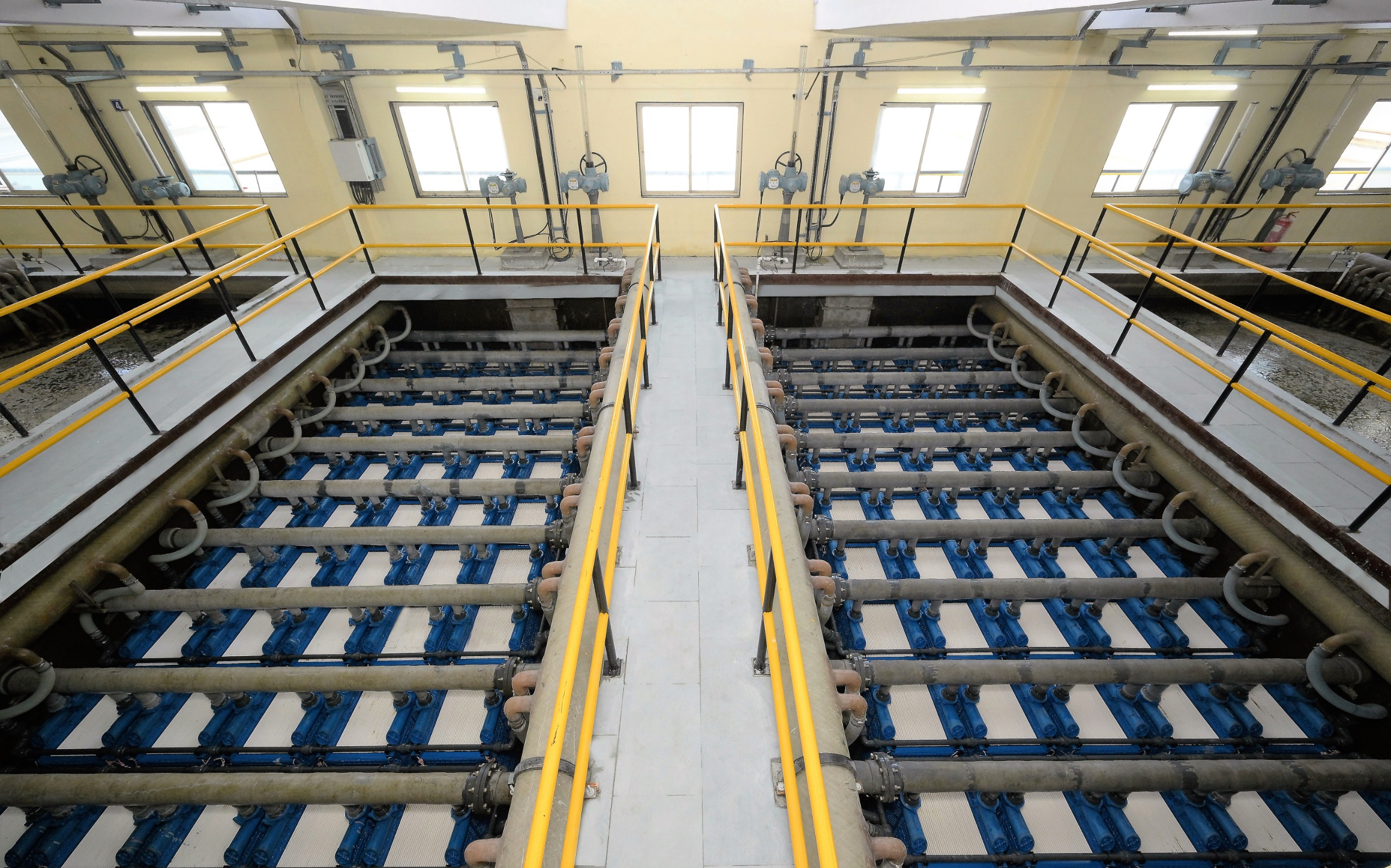
The 160 MLD Drinking Water Treatment Plant in Rander, Surat, marks a global first: the largest drinking water treatment plant based on ceramic membrane technology, with built-in provision for long chain PFAS removal.
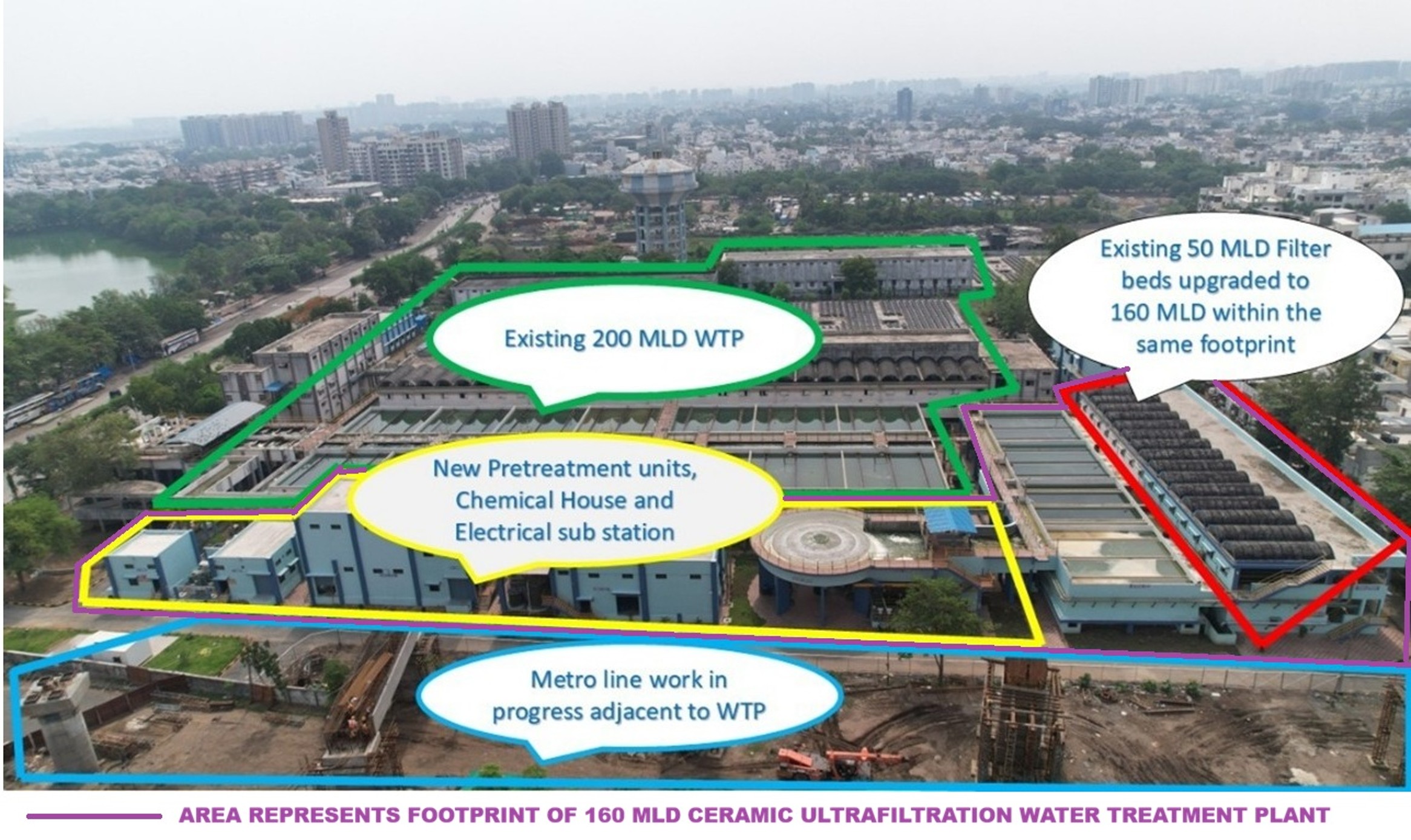
Delivered under an EPC + O&M contract for Surat Municipal Corporation, the project rejuvenated an existing 50 MLD sand filter plant, expanding its capacity more than threefold while staying within the same footprint.
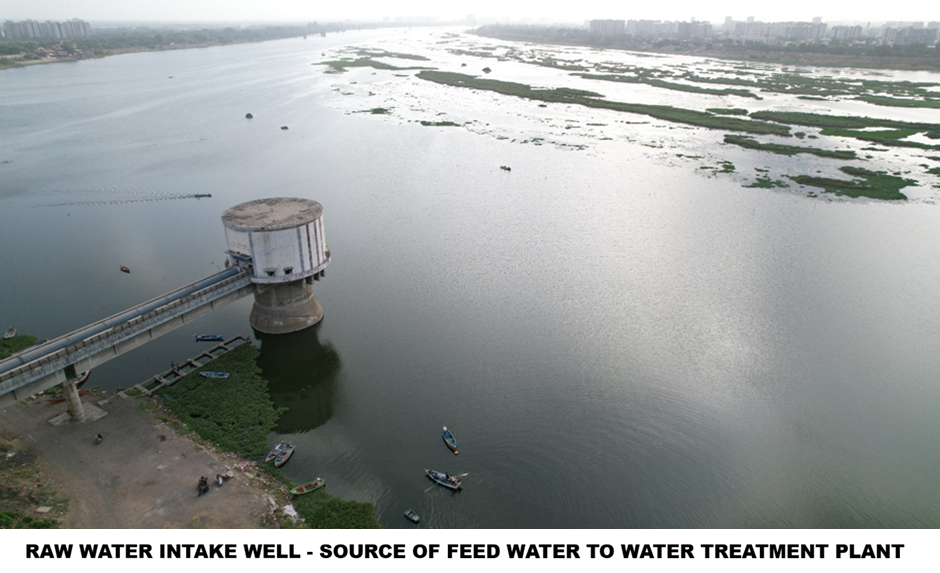
By integrating advanced ceramic membrane filtration with powdered activated carbon absorption, the upgraded facility ensures color and odour removal caused by seasonal algal blooms in the Tapi River, while also preparing for future compliance with global PFAS regulations.
The Challenge
- Seasonal algal blooms in the Tapi River caused color and odour issues in raw water during March–June each ear.
- Requirement to integrate next-generation PFAS removal capabilities into the treatment process.
- Need to retrofit advanced ceramic membrane systems within existing sand filter units and piping, with limited space for expansion.
The Solution
Enviro applied its expertise in technology selection and integration, implementing:
- Advanced ceramic membrane filtration, retrofitted into existing sand filter infrastructure.
- Powdered activated carbon absorption, enabling effective removal of micro-contaminants and long-chain PFAS.
- Precision engineering and phased execution, ensuring seamless installation and minimal disruption to ongoing operations.
This approach allowed the facility to triple capacity within the same footprint while meeting future-ready water quality standards.
The Results
- World’s largest ceramic membrane-based drinking water plant commissioned.
- Reliable drinking water supply for 1.6 million residents of Surat.
- Benchmark project that could influence India’s National Primary Drinking Water Regulations for PFAS, in alignment with EPA standards.
- A showcase of sustainability and innovation, reinforcing Enviro’s leadership in advanced water treatment.
Why It Matters
This project demonstrates how existing infrastructure can be upgraded into future-ready facilities combining capacity expansion, sustainability, and advanced contaminant removal within limited footprints.